
DF 500 Q dust collection adapter and shop vac hose guide
Measure to order
Dust port
Round port, friction
Look at the dust port on your Festool DF 500 Q. If it sticks out like a tube, measure the outside. On the DF 500 Q, if it is a hole, measure the inside. Use calipers.
Get the adapter for this Festool DF 500 Q.
Tell us the size you measured at the port and the size you measured at the hose, and we print both ends to those two numbers.
- Made in the USAPrinted to order
- PETGTougher than PLA
- Push onPrinted to your two sizes
- Print defectPhoto within 30 days, reprint or refund
Festool DF 500 Q Domino Joiner
Specifications
Connect your Festool DF 500 Q to your shop vac
Measure the DF 500 Q port and the hose or duct you want on it. We print the adapter between those two numbers. Made in the USA.
Build an adapter for this toolPopular starting points
Full port and fit detail for this tool
The Festool DF 500 Q is the Domino joiner. It cuts a loose tenon slot in one plunge, which is why people who own one use it on every project. It also throws a steady stream of chips out the back while it cuts.
The joiner has a dust port at the rear built for a Festool hose. If you do not own a Festool extractor, that port is a dead end. We print a GulpDust PETG adapter to your joiner port measurement on one end and to your shop vac hose on the other end.
Festool DF 500 Q Specs
| Port shape | Round |
|---|---|
| Port location | Rear |
| Connection type | Press on |
Festool DF 500 Dust Port: What Connects To It
It is built for a Festool hose, so a Festool hose plugs straight in and nothing else does.
A shop vac hose is much bigger. It will not seat, and holding it near the port catches almost nothing.
Our adapter is printed to the size you measure at the joiner port on one end and your vac hose on the other end. It presses on by hand and holds.
Running the Domino on a Shop Vac Instead of a CT
Festool sells an extractor built for these tools, and it works. It also costs about as much as the joiner.
You do not need one to keep the shop clean. The shop vac you already own pulls plenty for a joiner, which cuts one slot at a time and never runs long.
Fit the adapter, run the vac, and the chips go into the drum instead of onto the bench and into the slot you just cut. A slot full of chips is why a tenon sits proud.
If you cut a lot of slots in one session, drop a cyclone separator in between. Your filter stays clean and your suction holds.
The Festool Hose Connection, Explained
Festool built its own hose standard and used it across the whole line. One hose end serves the joiners, the sanders, the routers and the saws.
That is great if you own the extractor and a wall if you do not. It is also why a Festool tool almost never accepts a shop vac hose straight off the shelf.
One adapter bridges it. The tool end matches the Festool connection, the other end matches your hose, and the tool works the way it was meant to.
We build the same bridge for the other Festool tools. If you own more than one, each has its own page with the part made for it.
Festool DF 500 Q Dust Collection FAQ
Will a GulpDust adapter fit the Festool DF 500 dust port?+
Yes. The port sits at the rear of the joiner. We print the adapter to the size you measure there, and the other end matches your shop vac hose.
Do I need a Festool extractor to run the Domino?+
No. A Festool extractor is nice to have, but a standard shop vac does the job on a joiner. The adapter is what joins the two.
Will a shop vac hose fit the Domino port on its own?+
No. A shop vac hose that does not match the Festool connection will not seat and will not seal. That is what the adapter is for.
Does the same adapter fit other Festool tools?+
Not always. Ports can differ between Festool tools, so measure the port on yours. The builder prints the adapter to the number you enter.
Do I need clamps or tape to attach the adapter?+
Usually not. We print the adapter to the size you measure, so it presses in and holds. You press it on and it holds. The vac hose end works the same way. Add a wrap of tape at any joint that sees heavy use.
Do you sell the design file?+
No. We sell the finished part. Each one is printed to order in PETG and ships from the US.
Related Guides
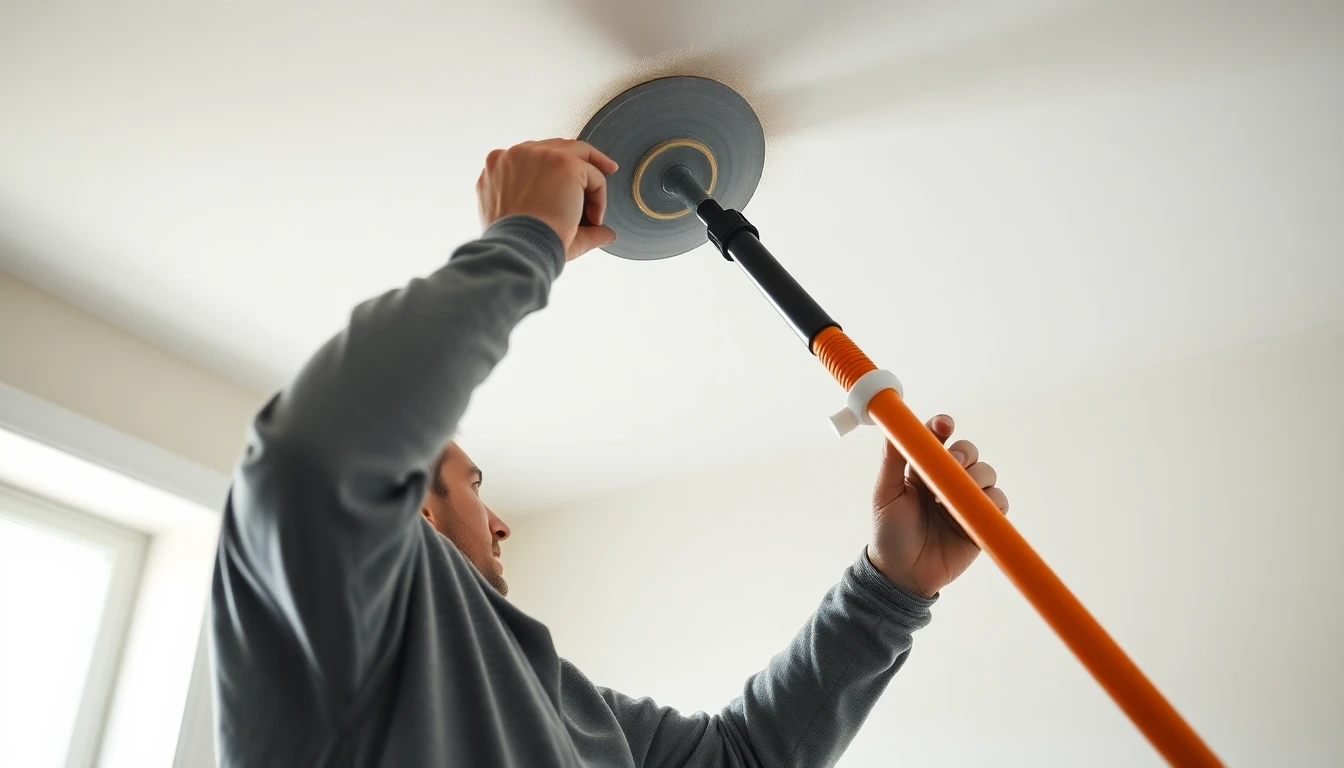
Drywall Sander With Vacuum Setup: Pole Sander Dust Collection and Hose Connections
Drywall dust is fine, fast, and bad for your lungs. A pole sander, a HEPA shop vac, and a snug hose connection keep more of it out of the air. This guide covers how to pick a setup, how to measure your sander port and hose, and the PETG adapter that joins the two.
9 min read
Festool CT 26 vs CT 36: Which Extractor Is Right for Your Shop?
The CT 26 and CT 36 are Festool's mid-range and large extractors. Here is how they compare and which size is worth the upgrade.
4 min read
Festool CT Mini vs CT Midi: Which Dust Extractor Should You Buy?
The CT Mini and CT Midi are Festool's most popular dust extractors. Here is exactly how they compare and which one suits your shop.
5 min read
Track Saw Dust Collection: Connect Yours to a Shop Vac or Extractor
Track saws collect dust better than any other circular saw. Port styles change between brands and models, so measure yours. Here is how to connect it.
5 min read